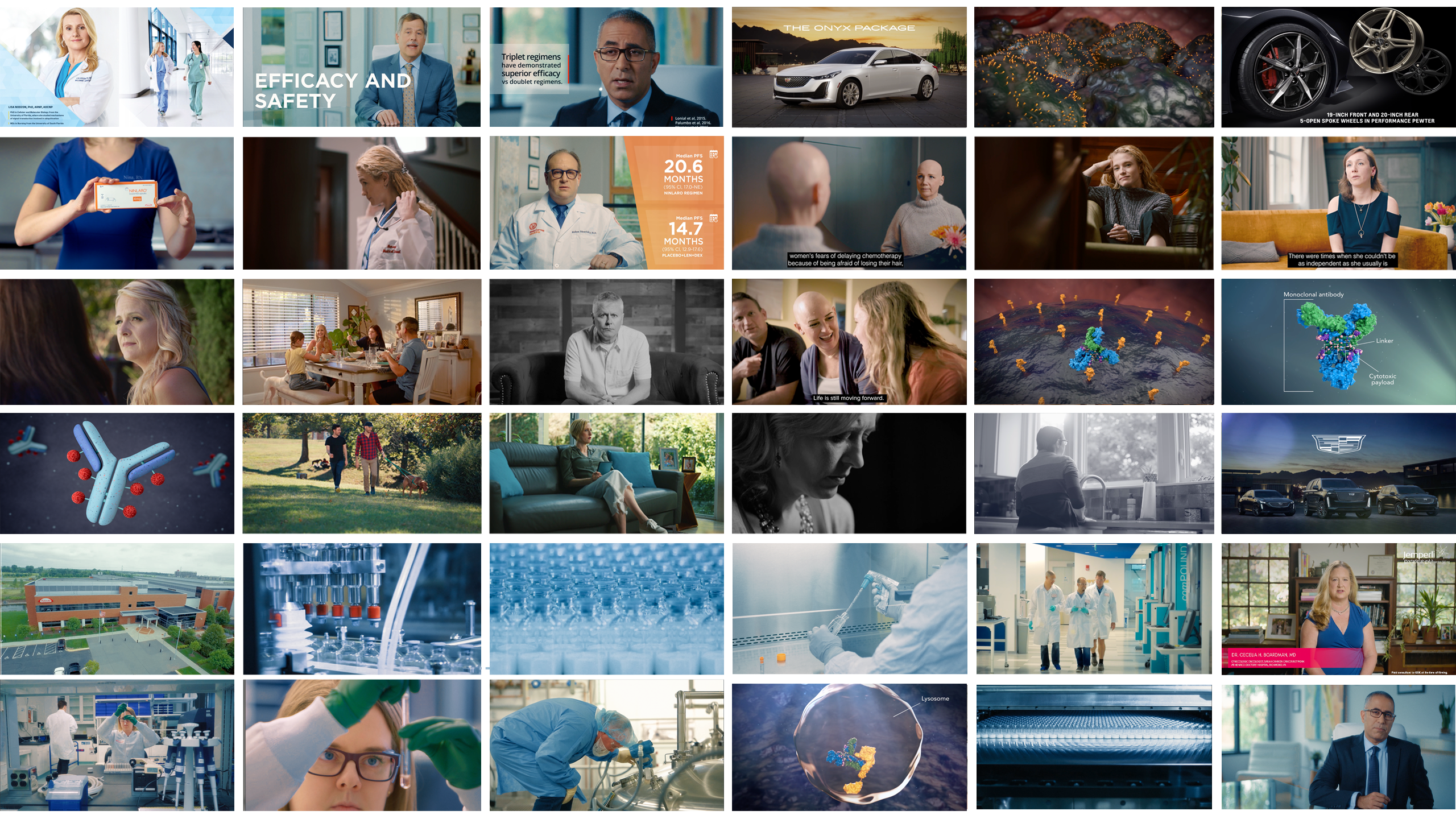
DPCG is a creative video production company on a mission to create an unrivaled client experience. We provide creative conceptualization as well as pre-production through post-production including live action, motion graphics, CGI, and 3D animation. Our work has been showcased on broadcast, digital, corporate meeting, and event platforms since 2012. High production value, low stress…that’s DPCG.
We are especially proud of our work in some areas in particular. These are our specialties:
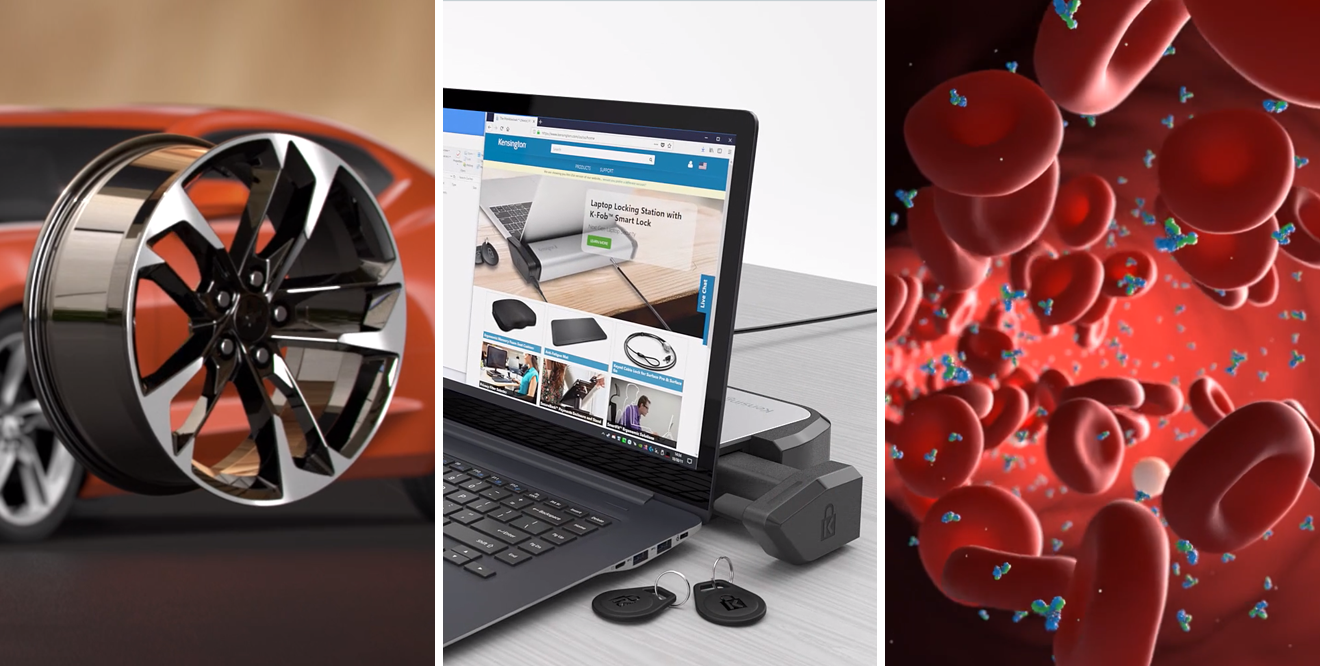
Touring the inner workings of the newest tech, auditioning accessories on your dream car, or navigating the blood stream to see a cutting edge medicine in action…we’ll show off your hard work in a medium that is as technically accurate as it is visually stunning.
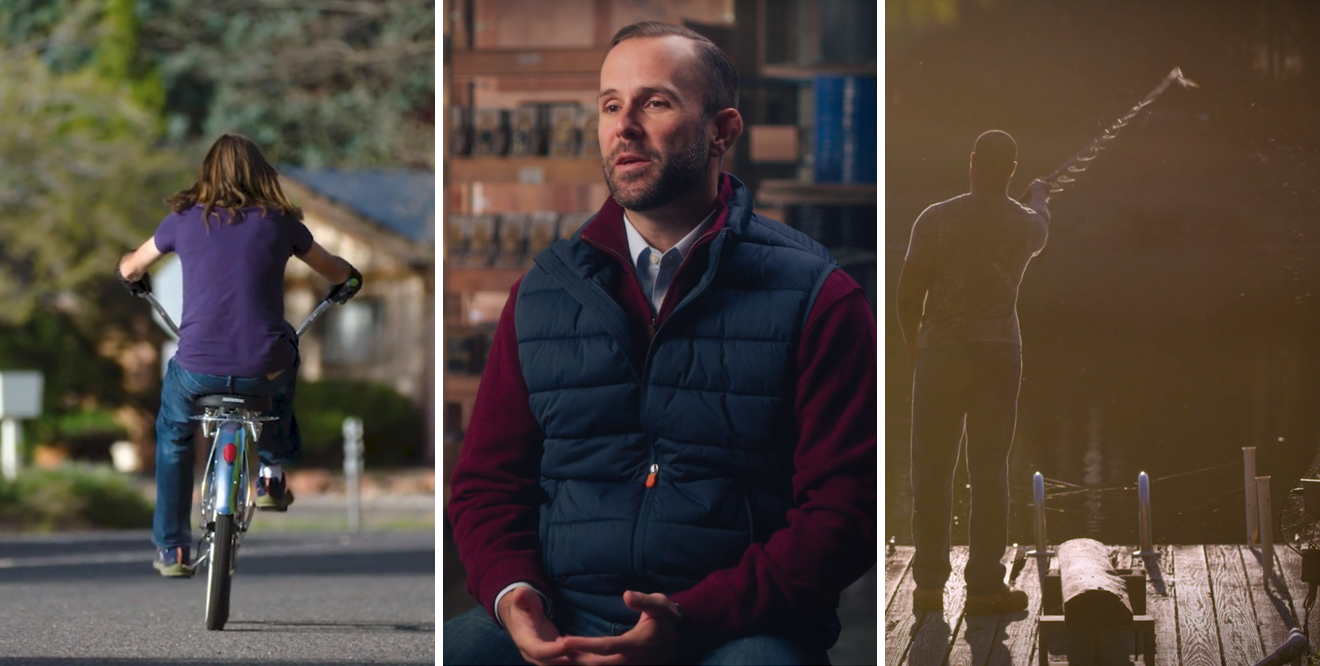
Things like lengthy legal review panels or working around hectic schedules aren’t obstacles to us but a part of the fabric of telling stories that need to be told, and we don’t think you should sacrifice your time or sanity having them told the right way.
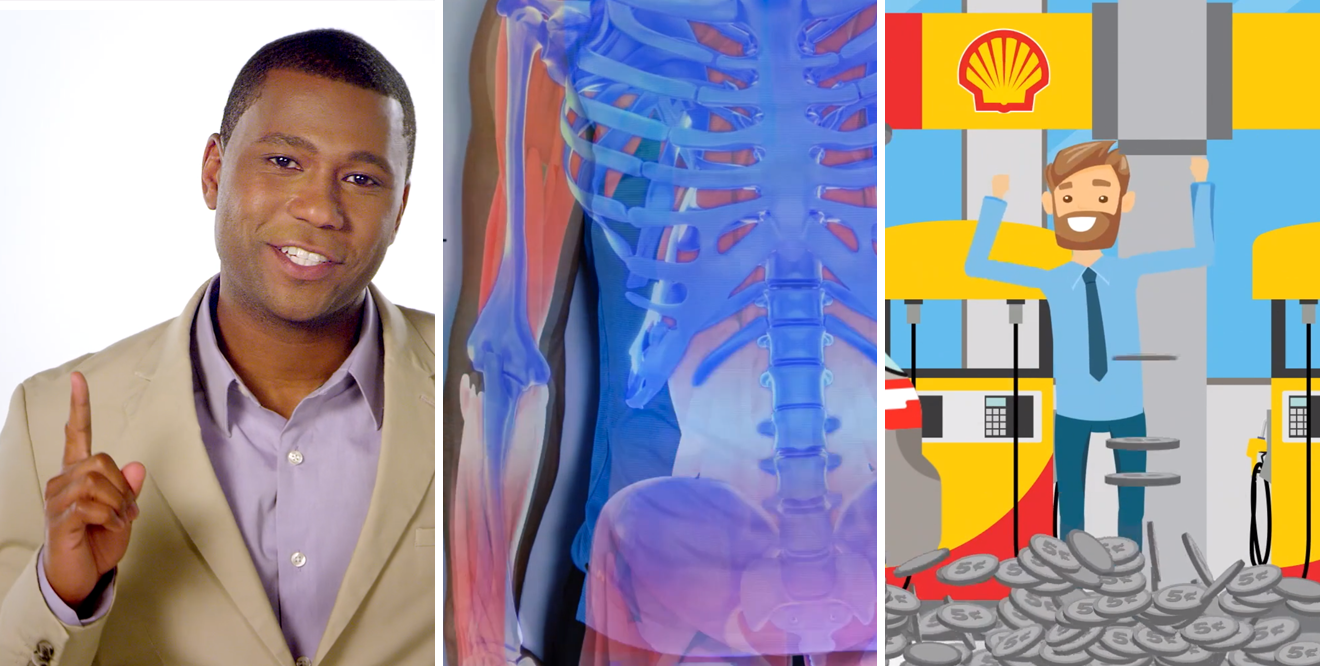
Big ideas take big effort to realize. It might seem like just as much effort to explain those big ideas. Fortunately, that doesn’t have to be the case. We’ll work with you and create engaging, easily digestible, content that will excite as well as inform your target audience.
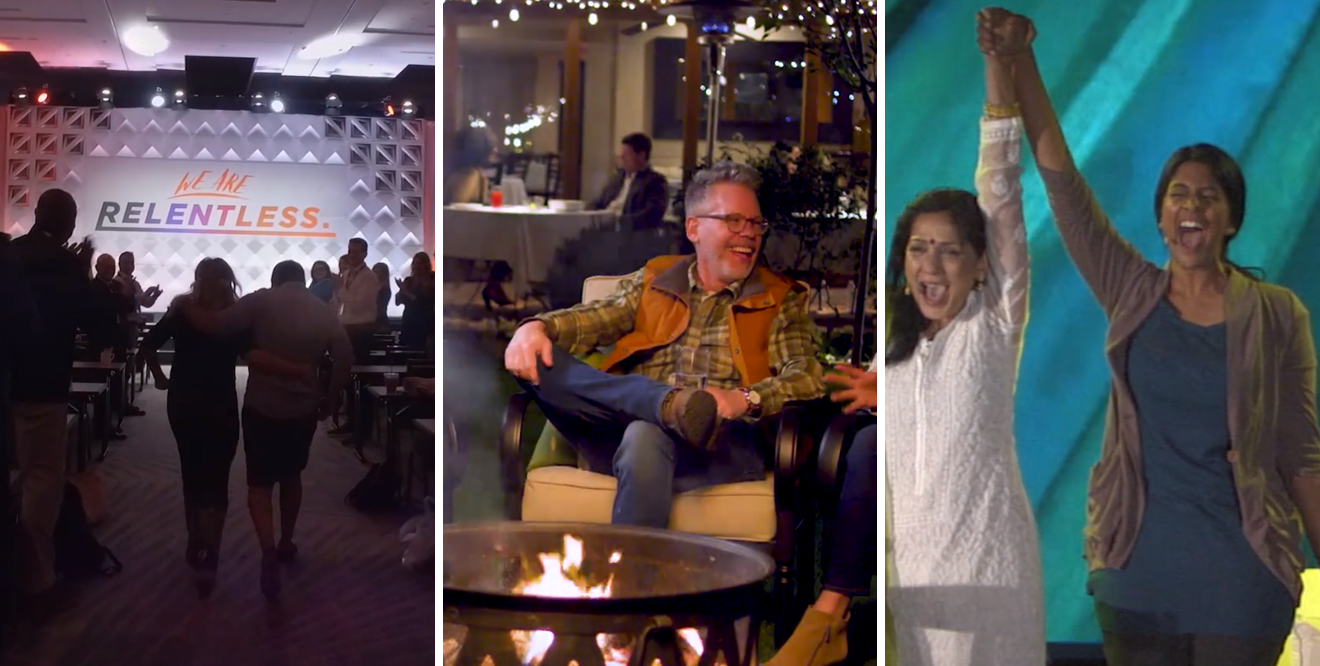
Motivational videos, updated sales training, onsite recap montages, executive announcements, data visualization, the list goes on. You need your team to leave a meeting or offsite excited, educated, and focused. We’ll do that, you have enough on your plate.
DPCG provides full service creative and video production solutions to domestic and multinational corporations and their agencies. That’s the stuffy explanation.
What we really do is find creative ways to engage your target audience through video. We’ve been doing it for a long time, we love what we do, and our clients think we’re good at it. We hold ourselves to a higher standard of quality not only in the production value of the content we create but in the satisfaction of our clients. Relationships are important to us so we strive to create an effortless experience for you. We always play well in the sandbox and welcome collaboration with multiple stakeholders in your company or with your agencies of record. Our goal is that the experience of working with us is as positive and impactful as the content we create for you.